Emergency Dentistry In Detroit: What To Do In The First 60 Minutes (And How WOW Dental Can Help)
When Minutes Matter, A Plan Beats Panic
Dental emergencies don’t wait for business hours. A cracked molar during lunch, a knocked-out tooth from a weekend game, a throbbing toothache at midnight—these moments feel chaotic. The good news? Most dental emergencies have clear, proven first steps that reduce pain, save teeth, and prevent complications. Having a practical plan—and a responsive Detroit dental team—turns a crisis into a manageable situation.
WOW Dental provides same-day emergency care for pain, infections, broken or knocked-out teeth, lost fillings/crowns, swelling, and dental trauma, along with on-site imaging and a full suite of restorative options so you can stabilize the problem and complete definitive treatment under one roof.
Spotting A True Dental Emergency
Severe Toothache Or Swelling
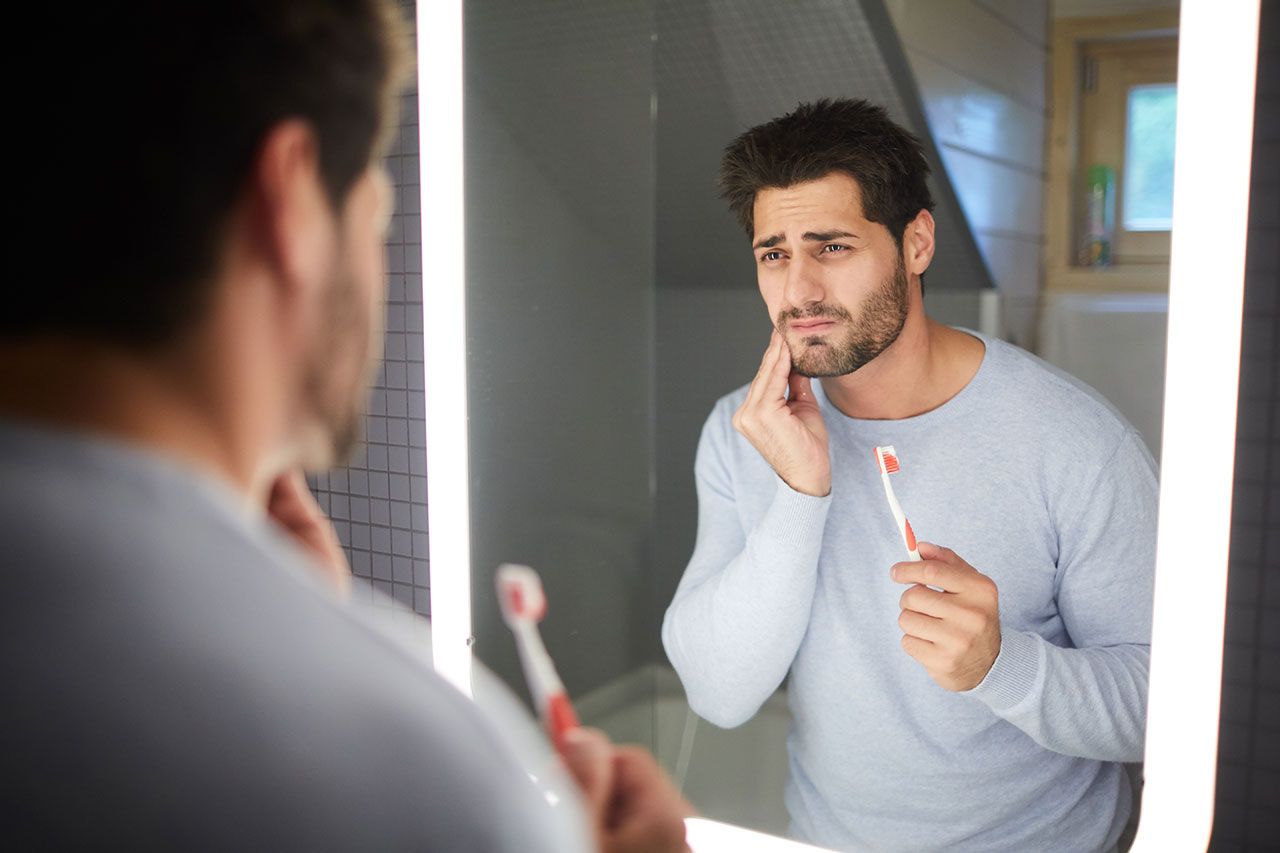
Persistent, escalating pain—especially if it wakes you at night—often signals pulpal inflammation or infection. Facial swelling, fever, or difficulty swallowing are urgent red flags; these can indicate spreading infection that needs immediate attention and, sometimes, antibiotics.
Knocked-Out (Avulsed) Tooth
Time is everything. A permanent tooth stands the best chance of survival if reimplanted within 30–60 minutes. Handle the tooth by the crown (never the root), gently rinse with milk or saline if dirty (no scrubbing), and—if you can—reinsert into the socket and bite on clean gauze. If that’s not possible, store in cold milk or an ADA-approved tooth preservation kit. Get to the dentist immediately.
Cracked, Fractured, Or Broken Tooth
Sensitivity to cold or chewing after a crack can escalate quickly. Stabilization, bite adjustment, and a protective restoration (onlay or crown) can prevent the crack from propagating into the root.
Lost Filling Or Crown
Temporary sensitivity and food impaction are common. If a crown comes off, keep it safe—sometimes it can be recemented. Avoid chewing on that side and keep the area clean.
Soft-Tissue Injury
Lacerations to the lips, tongue, or cheek often bleed a lot due to rich blood supply. Apply firm pressure with clean gauze for 10–15 minutes. If bleeding doesn’t slow, seek urgent care.
Your First 60-Minute Action Plan
- Control Bleeding Or Secure The Tooth
Apply gentle pressure with sterile gauze. For avulsed adult teeth, reinsert if possible or keep in milk. - Reduce Pain & Swelling
Cold compresses in 10-minute intervals help. Use over-the-counter pain relief as directed unless your physician has advised otherwise. - Protect The Area
Avoid extreme temperatures, sugary drinks, and hard foods. For sharp edges, dental wax can prevent cheek or tongue irritation. - Call WOW Dental
Explain your symptoms, timeline, and any first aid you performed. The team can triage, advise next steps, and prepare for your arrival.
What To Expect At An Emergency Visit
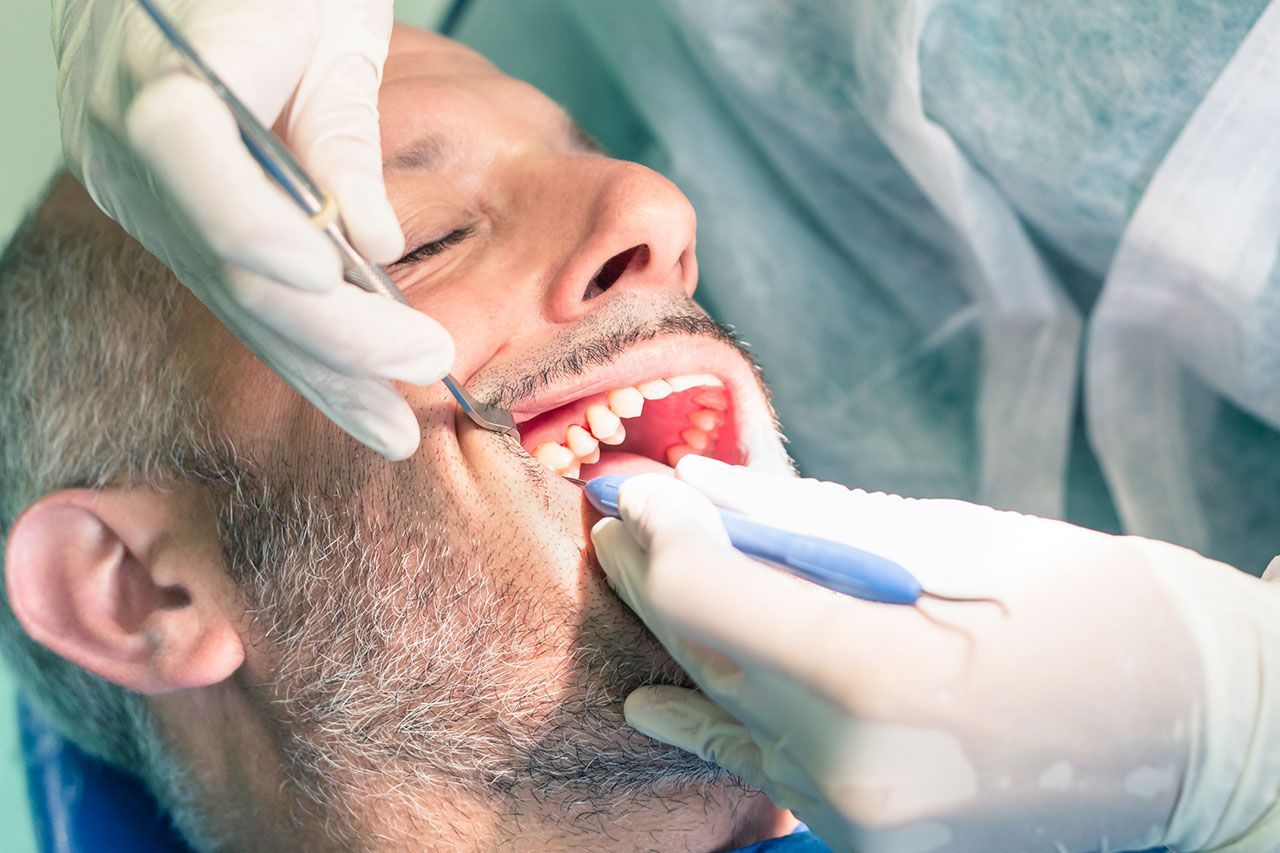
- Focused Exam & Imaging
Targeted X-rays or a panoramic image help locate decay, fractures, impacted roots, or abscesses. - Immediate Pain Relief
Local anesthesia, drainage of an abscess when indicated, smoothing of sharp edges, or medication as appropriate. - Stabilization
Temporary or permanent fillings, recementing crowns, protective onlays, or temporary crowns. For cracked teeth, bite adjustment reduces stress while planning a definitive restoration. - Definitive Options
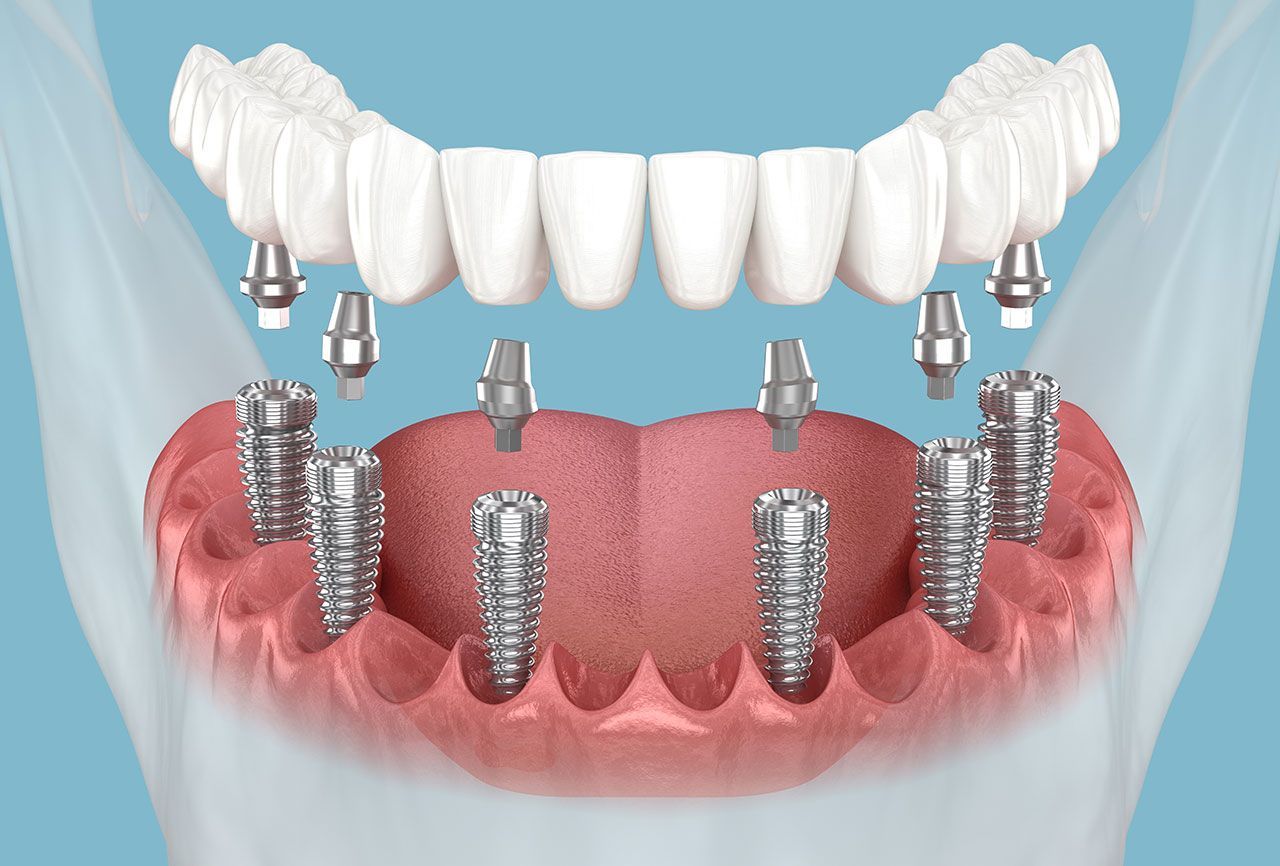
Root canal therapy and a crown for infected or fractured pulps; extractions for non-restorable teeth; replacement planning (implant, bridge, or partial) if needed.
Root Canal Therapy Vs. Extraction: How We Decide
- Root Canal Therapy (RCT) preserves the tooth’s root, removes infected tissue, disinfects the canal, and seals it—usually followed by a crown to prevent future fracture. RCT is predictable for many deep cavities, cracked cusps, or after trauma.
- Extraction is recommended when a tooth is split, fractured below the gumline, severely decayed, or unstable due to advanced bone loss. Socket preservation grafting can prepare for a future implant; alternatives include a bridge or partial denture.
Managing Dental Trauma
- Chipped Incisors: Bonding or same-day crowns/veneers restore aesthetics and function.
- Luxated Teeth (pushed in/out): Repositioning and splinting stabilize healing; follow-up imaging checks nerve vitality.
- Avulsed Teeth: Reimplantation and splinting, plus root canal therapy in many adult cases, followed by careful monitoring.
Preventing Emergencies Before They Happen
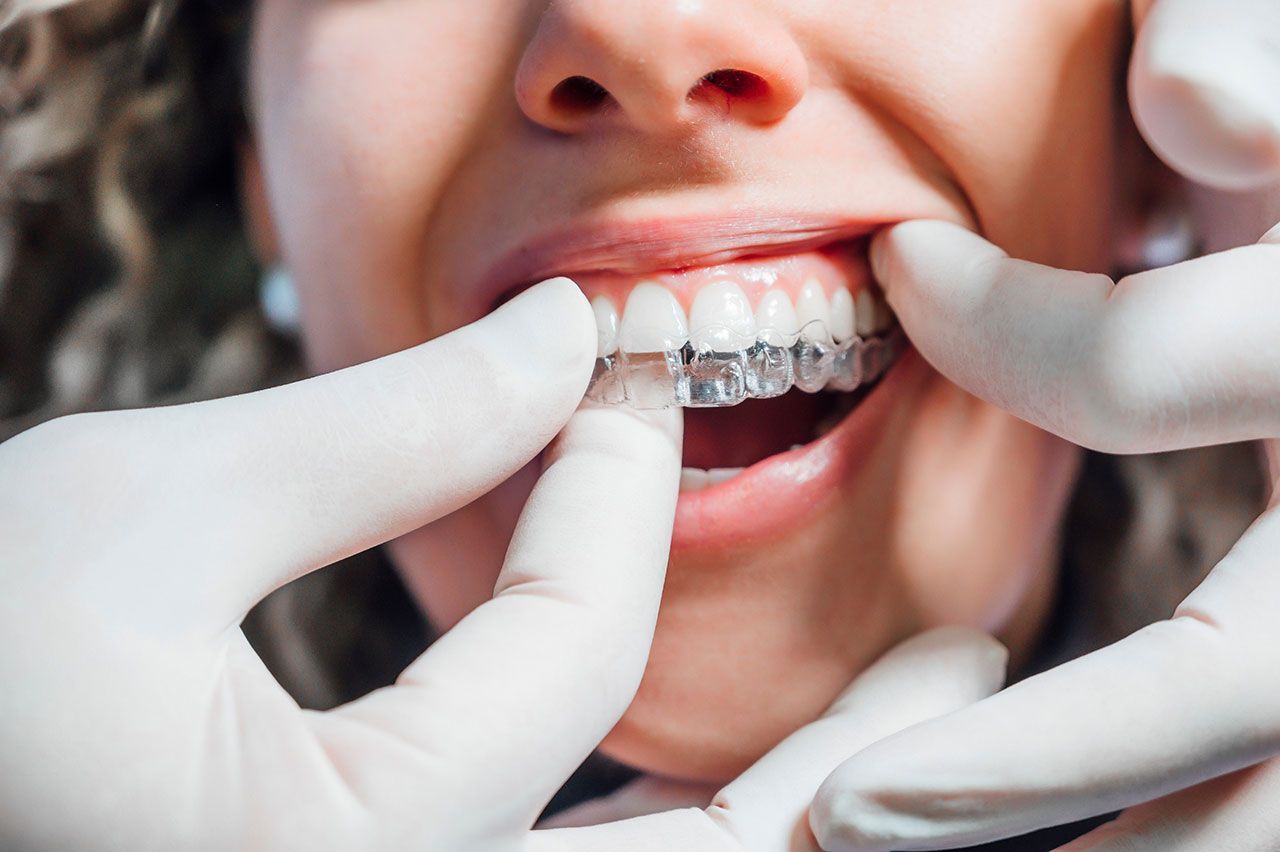
- Custom Night Guards for bruxism protect enamel and reduce crack risk.
- Sports Mouthguards reduce the likelihood of avulsions, fractures, and lacerations.
- Routine Exams catch small problems—loose fillings, early cracks—before they become emergencies.
FAQs
Can I wait out a toothache?
If pain is severe or worsening, waiting risks infection spread. Early care is easier, safer, and typically less costly.
Do antibiotics fix tooth infections by themselves?
They control spread but don’t remove the source. Definitive treatment (root canal or extraction) is still required.
Is an emergency root canal painful?
With modern anesthesia, patients are usually comfortable during treatment; pain generally improves immediately after the source is treated.
Your Detroit Emergency Care Team
When you call WOW Dental’s east or west Detroit office, describe your symptoms and timing; the team will prioritize urgent cases and provide clear first-aid guidance until you arrive. After stabilization, you’ll receive a written plan and cost options for completing any definitive work.
Call Or Book Now
East Detroit: 18525 Moross Rd, Detroit, MI 48224 —
(313) 371-9880
West Detroit: 22341 Eight Mile Rd, Suite 200, Detroit, MI 48219 —
(313) 730-4111
Share This Article