Tooth Extractions in Detroit: Simple, Safe Care When a Tooth Can’t Be Saved
Nobody plans for a dental emergency, but life happens—deep decay, a cracked root, or crowding that throws off your bite. When a tooth can’t be predictably restored, tooth extractions provide relief and open the door to a healthier, more comfortable smile. With a calm plan and gentle technique, removal is often easier than people expect.
At Wow Dental, Dr. Karana offers careful exams, clear explanations, and options to replace a missing tooth so your smile looks and works like it should. This guide walks you through when an extraction makes sense, how the visit feels, and what healing looks like—plus your choices for what comes next.
When Is a Tooth Extraction the Best Choice?
We recommend tooth extractions when keeping the tooth would create more problems than it would solve. Common reasons include:
- Extensive decay below the gumline or under an old crown
- Vertical cracks that split a tooth into pieces
- Advanced gum disease causing mobility and bone loss
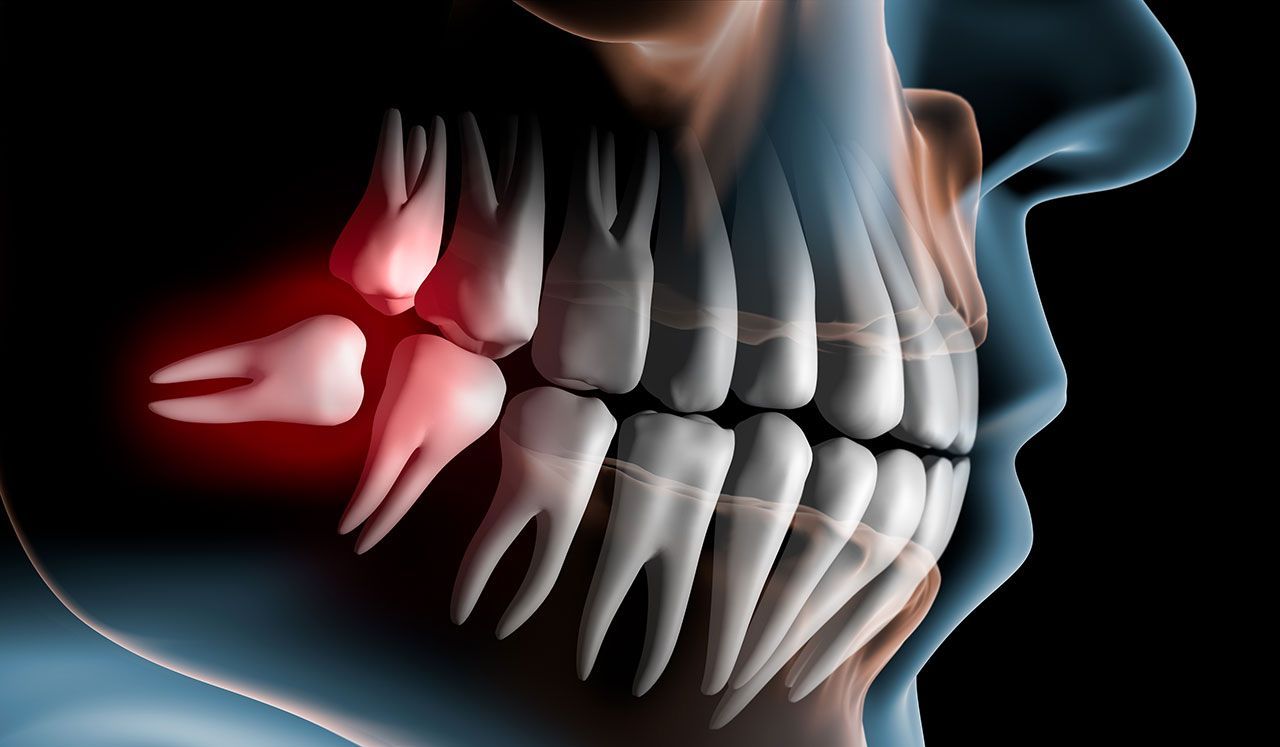
- Impacted or troublesome wisdom teeth that trap food or cause swelling
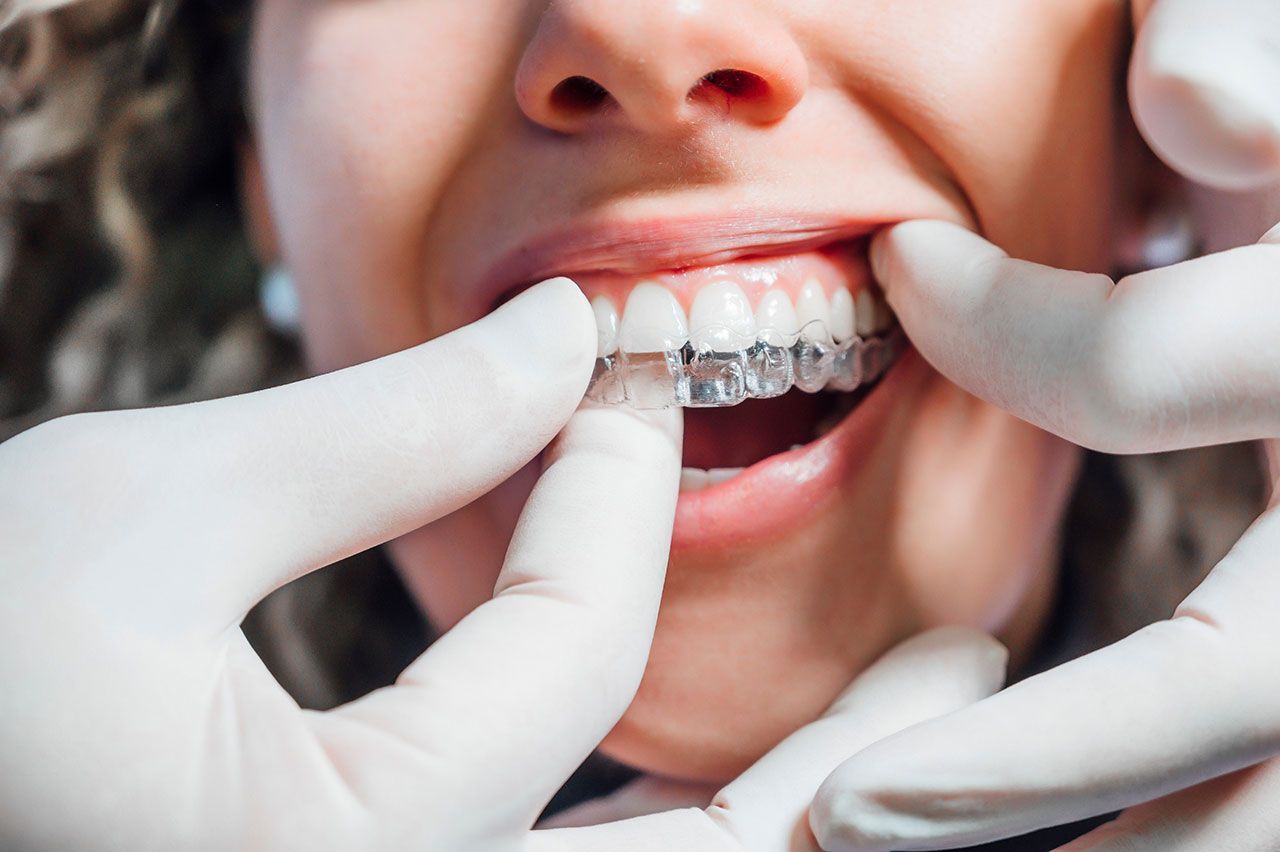
- Orthodontic needs when crowding blocks a healthy, stable bite
You’ll always hear your options first—root canal therapy and a crown, a crown lengthening procedure, or rebuilding with a filling or onlay. If a tooth can be restored predictably, we’ll say so. When the long-term outlook is poor, an extraction can be the smartest, most comfortable path forward.
What to Expect During a Tooth Extraction
1) Comfort and Numbing
Your comfort is the top priority. We begin with a topical gel and gentle local anesthesia. Once you’re numb, you should feel pressure but not pain. If you’re a nervous patient, tell us—we can pace the visit and use extra-comfort techniques.
2) Atraumatic Removal
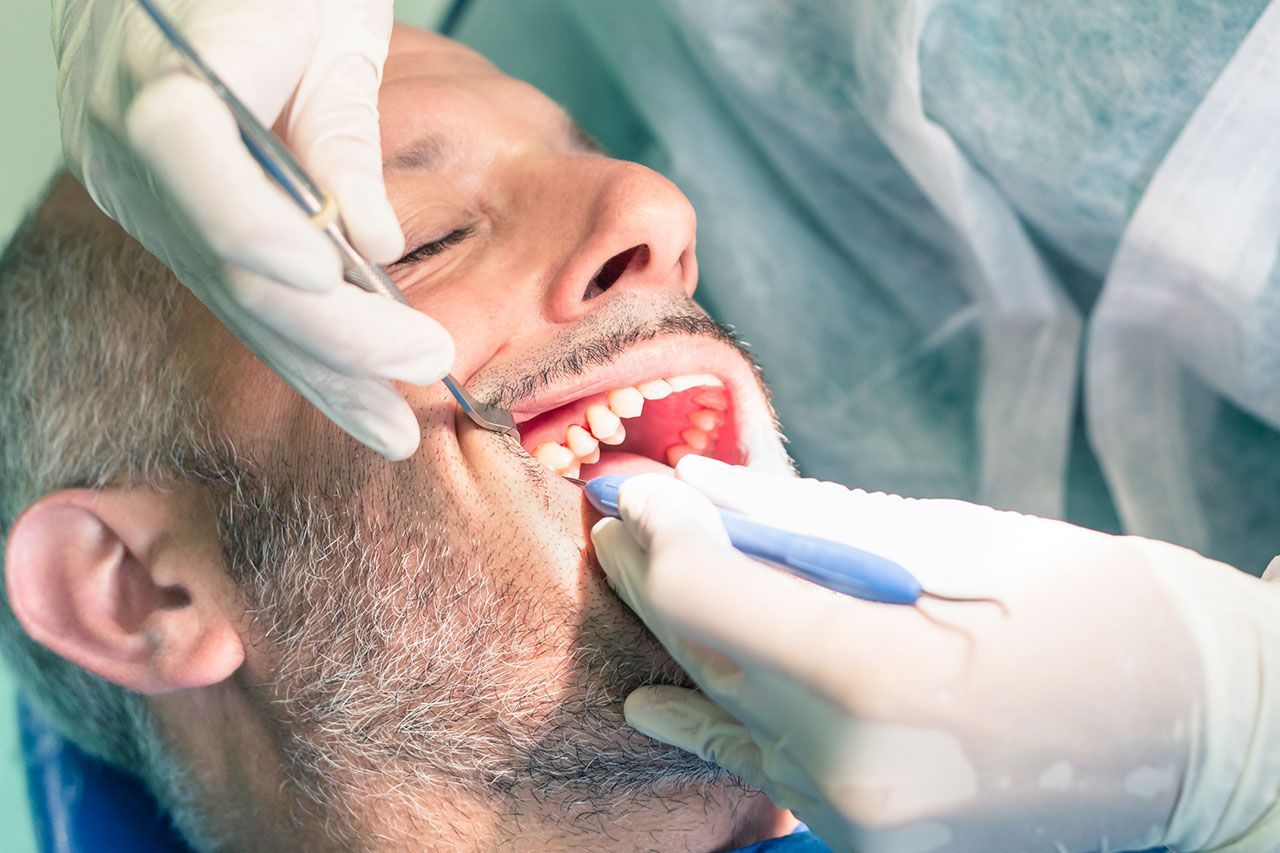
Using small instruments, the tooth is loosened from the surrounding ligaments. For simple tooth extractions, this process is quick. For surgical extractions—such as impacted wisdom teeth or teeth broken at the gumline—we may section the tooth into pieces for easier removal and less stress on the surrounding bone.
3) Cleaning and Protection
The socket is rinsed, any infected tissue is removed, and sutures may be placed to guide healing. If you plan an implant later, we may discuss socket preservation—placing bone graft material to help maintain shape and volume.
4) Bite Check and Instructions
We check your bite, place gauze, and review a written set of after-care steps. You’ll know what to eat, how to keep the area clean, and when to return.
After-Care: A Day-by-Day Guide
First 24 hours
Keep light pressure on the gauze to control bleeding. Rest with your head elevated. Use an ice pack off and on to manage swelling. Choose cool, soft foods like yogurt, applesauce, and mashed potatoes. Avoid smoking, straws, and vigorous rinsing—these can dislodge the blood clot.
Days 2–3
Soreness peaks and begins to ease. Switch from ice to warm compresses if advised. Start gentle saltwater rinses after meals to keep food out of the area. Introduce soft proteins like scrambled eggs or baked fish.
Days 4–7
Most people return to normal activities. Keep brushing and flossing around the site without touching the socket. If sutures are present, we’ll let you know when they’ll be removed or if they’re dissolvable.
Call us sooner if you notice increasing pain after initial improvement, a bad taste, fever, or swelling that spreads—these can signal a dry socket or infection that needs quick attention.
Wisdom Teeth: Special Considerations
Wisdom teeth erupt later than other teeth and often don’t have enough space. They can grow sideways, partially emerge, or remain trapped in bone. Food and bacteria collect around the flap of gum tissue, leading to swelling and infection.
During your exam, panoramic imaging helps us see the tooth’s position relative to the sinus or jaw nerve. We’ll talk about tooth extractions for wisdom teeth, expected healing time, and pain control. The same day-by-day care applies, with a stronger reminder to rest, hydrate, and follow the soft-food plan.
Protecting the Area: Avoiding Dry Socket
A dry socket happens when the protective blood clot dissolves or is dislodged, exposing the bone. It’s uncommon but very uncomfortable. To reduce risk:
- Don’t use straws or smoke for at least 72 hours
- Keep fingers and tongues away from the site
- Start gentle rinses only after the first 24 hours
- Take pain medicine exactly as directed
If a dry socket does occur, we can place a soothing dressing and review additional home care. Relief is usually fast.
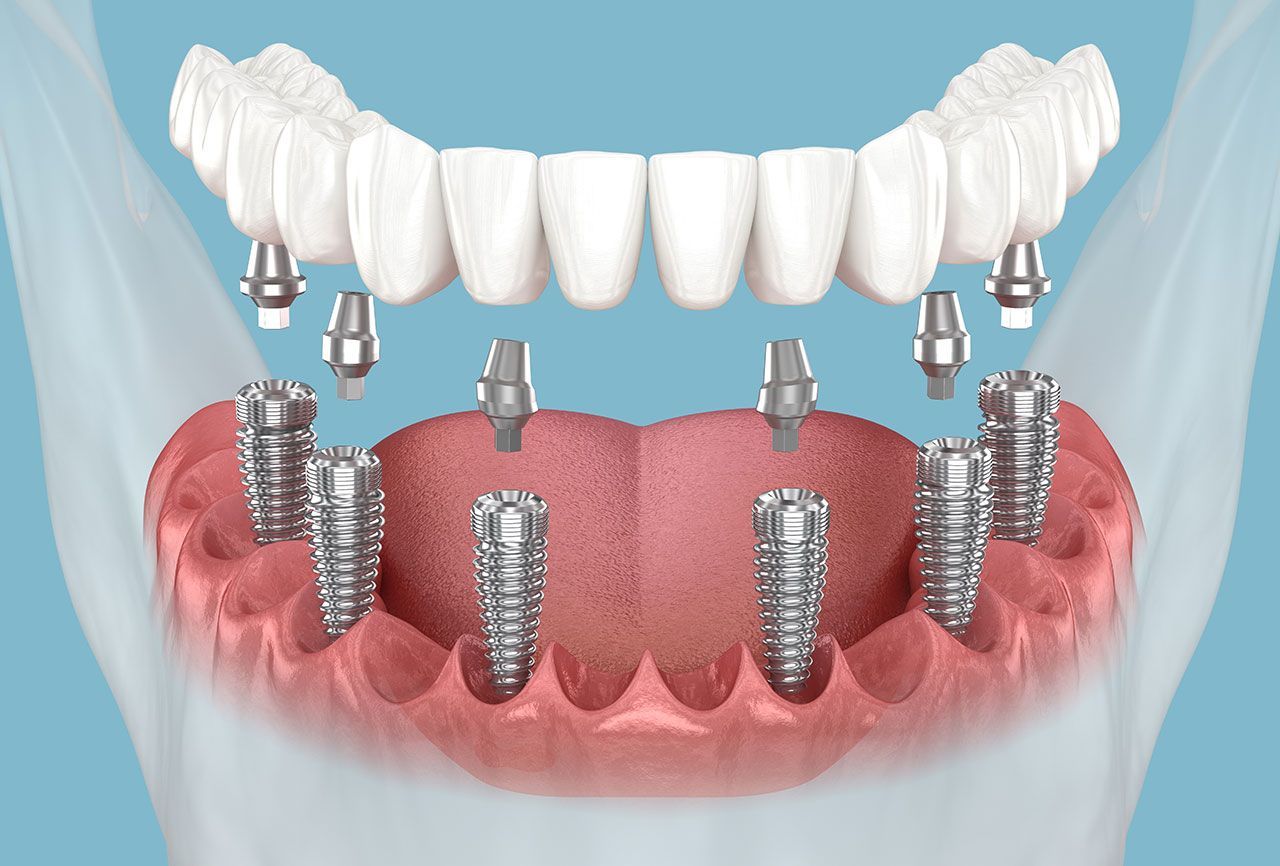
Your Options After Tooth Extractions
Removing a tooth is step one. Step two is restoring the space so your bite stays comfortable and your smile stays full. You don’t have to choose right away, but planning early helps protect bone and gums. Here are the most common solutions:
Single Dental Implant
A small titanium post replaces the tooth root and supports a custom crown. Implants don’t involve neighboring teeth and help preserve bone by transferring chewing forces to the jaw. Many patients consider an implant the most natural-feeling replacement.
Dental Bridge
A bridge fills the gap by anchoring to crowned teeth on either side. It’s a good choice when the adjacent teeth already need crowns. You’ll floss under the middle tooth (the pontic) with a threader or water flosser to keep the area clean.
Partial Denture
A removable appliance clips to nearby teeth and restores several missing teeth at once. Partials are budget-friendly and can be upgraded later—some patients start with a partial while saving for implants.
Do Nothing—for Now
Some spaces can be left open temporarily, especially in the back. Just know that neighboring teeth may tip, and opposing teeth can drift into the space, which changes your bite. We’ll explain the pros and cons for your specific case.
Pain Control You Can Count On
Most patients manage post-extraction discomfort with over-the-counter medication. If a surgical extraction is planned, we’ll discuss additional options. The key is to start pain control before the numbing wears off and to stay ahead of it for the first day. Keep up with hydration and soft foods, and you’ll likely bounce back faster than expected.
Benefits of Thoughtful Tooth Extractions
- Quick relief from pain and infection. Removing the source stops the cycle so healing can begin.
- Protection for neighboring teeth. A severely broken or infected tooth can harm adjacent structures; extraction prevents spread.
- A clean slate for modern replacements. Implants, bridges, and partials restore comfort and confidence.
- Better long-term health. Clearing chronic infection improves overall wellness and gum health.
Frequently Asked Questions
Will the extraction damage my other teeth?
No. The goal is gentle, controlled movement that protects nearby teeth and bone. Sectioning a tooth into smaller pieces actually makes removal more conservative.
How soon can I get an implant?
Sometimes immediately, if the site is clean and stable. Often, we wait a few months for bone to mature. If you’re considering an implant, socket preservation at the time of
tooth extractions helps keep options open.
Can I work the next day?
Many people return to desk work within 24–48 hours after a simple extraction. For surgical procedures, plan a little more downtime.
What can I eat?
Start with soft, cool foods the first day. Progress to warm, soft meals. Avoid small seeds, chips, and anything that can get stuck in the socket.
Do I need antibiotics?
Not always. We prescribe them when infection risks are higher. The most important part of healing is gentle hygiene and following the after-care plan.
A Calm, Clear Path to Healing
If you’re living with a tooth that constantly bothers you—or a wisdom tooth that keeps flaring up—there’s a thoughtful solution. With gentle technique and clear guidance, tooth extractions are a safe step toward comfort and better oral health. And when you’re ready, we’ll help you choose a replacement that fits your goals, timeline, and budget.
Need relief or a second opinion? Call Wow Dental at 313-371-9880 or visit us at 22341 Eight Mile W Suite 200, Detroit, MI 48219 or 18525 Moross Rd, Detroit, Michigan, 48224 to book an appointment today.
Share This Article