Snap-On (Implant-Assisted) Dentures Vs. Traditional Dentures In Detroit: Grip, Comfort, And Cost—What’s Best For You?
The Denture Dilemma Most Patients Don’t Talk About
Getting a new smile after major tooth loss can feel overwhelming. You want teeth that look natural, let you eat comfortably, and don’t make you self-conscious when you speak or laugh. Traditional dentures have come a long way, but many patients still report slipping, sore spots, and diet limitations—especially on the lower arch. Enter snap-on (implant-assisted) dentures: a modern hybrid that “snaps” to dental implants for dramatically better stability without the full cost of a fixed bridge. Which option fits your life best? Let’s compare them clearly so you can choose with confidence.
What Are Traditional Dentures?
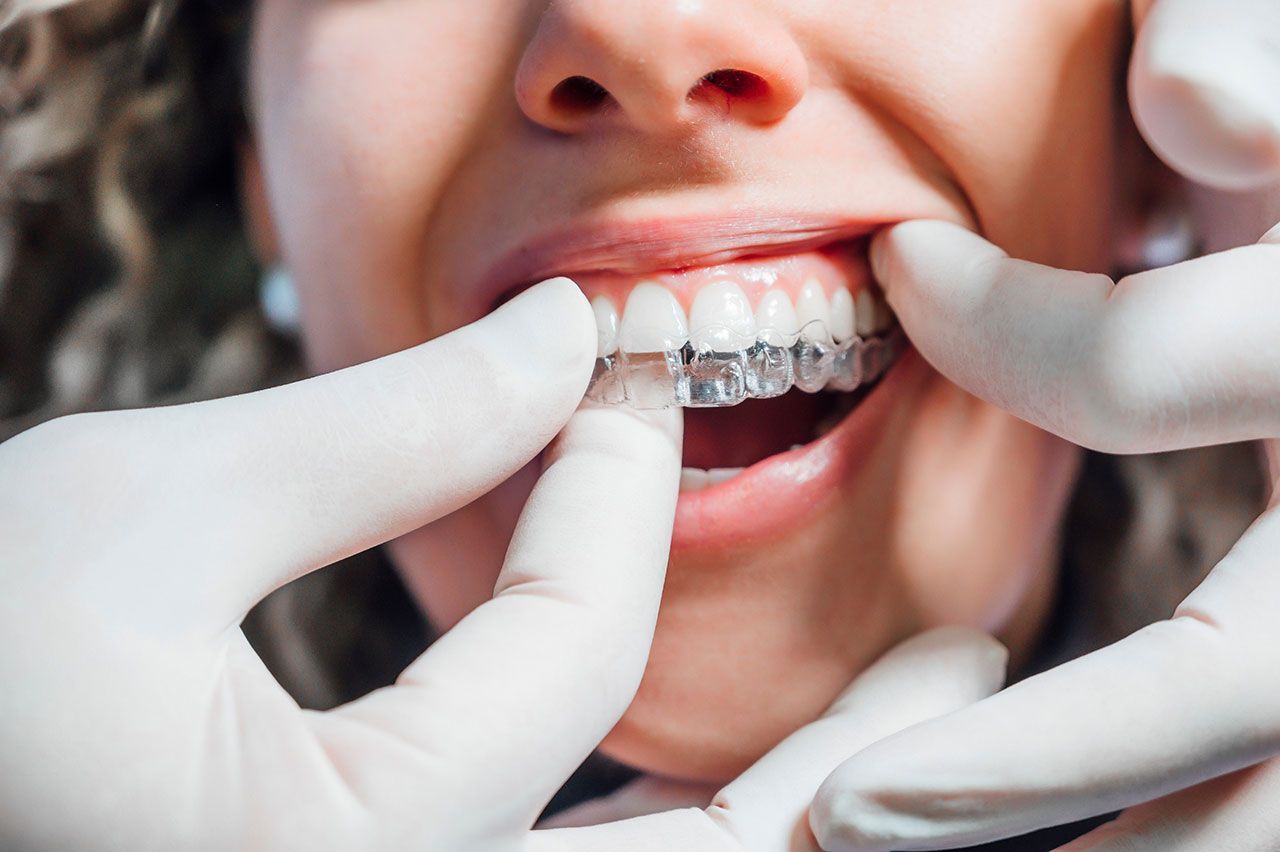
A traditional full denture is a removable prosthesis that replaces all teeth in an arch (upper or lower). It sits on the gums and relies on anatomy, suction (especially on the upper), and precise fit for retention. A partial denture clips around remaining teeth to fill gaps.
Pros Of Traditional Dentures
- Fastest turnaround: From impressions to delivery can be relatively quick.
- Budget-friendly upfront: Typically lower initial cost than implant options.
- Non-surgical: No implants or bone procedures required.
- Aesthetic control: Tooth shade, size, and arrangement can be customized.
Common Trade-Offs
- Stability challenges: Lower dentures often move due to limited surface area and muscle activity from the tongue and cheeks.
- Chewing power limits: Many patients cut food into small pieces and avoid sticky or tough items.
- Sore spots & adjustments: As bone remodels, dentures require relines; adhesive becomes a routine.
- Bone resorption over time: Without tooth roots or implants stimulating the bone, the ridge gradually shrinks, making retention harder.
What Are Snap-On (Implant-Assisted) Dentures?
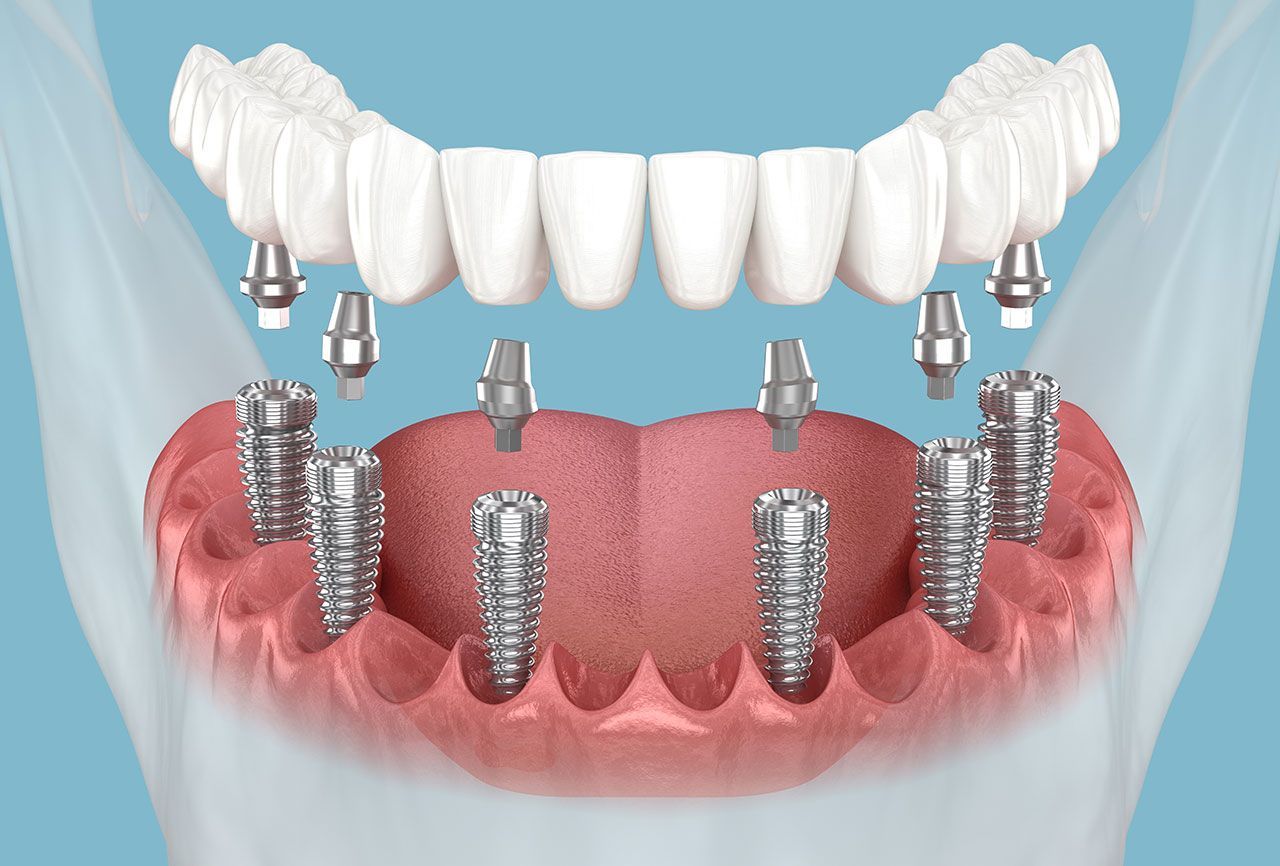
Snap-on dentures use 2–4 (sometimes more) implants per arch with low-profile attachments—like locator abutments or a bar—to provide retention. The denture still comes out for cleaning, but when seated, it clicks into place for far better grip.
Pros Of Snap-On Dentures
- Major stability boost: Less rocking, improved confidence in public and while eating.
- Better chewing efficiency: Many patients comfortably reintroduce foods they previously avoided.
- Less need for adhesive: Attachments handle retention, not glue.
- Bone preservation: Implants transmit chewing forces to the jawbone, slowing resorption.
- Upgradeable path: Start with 2 implants and add more later, or transition to a fixed bridge in the future (case dependent).
Considerations
- Surgical phase & healing: Adequate bone is required; grafting may be recommended.
- Maintenance of attachments: Inserts wear with time and are replaced during checkups; periodic relines may still be needed as tissues change.
- Upfront cost: Higher than a conventional denture, but often significantly lower than a full-arch fixed bridge.
Upper Vs. Lower Arch: Different Realities
- Upper Denture: The palate creates suction, so traditional upper dentures often feel fairly stable. A snap-on upper can allow a palate-free design, improving taste and comfort if implants provide adequate retention.
- Lower Denture: The tongue and smaller ridge make traditional lowers famously challenging. Even two implants on the lower can be life-changing for stability and chewing.
Who Is A Good Candidate For Snap-On Dentures?
- Long-time denture wearers frustrated by looseness or adhesives.
- New full-arch patients wanting more stability without committing to a fixed bridge.
- Patients with adequate bone or those willing to consider bone grafting to improve outcomes.
- Individuals seeking a phased plan, starting with implants and converting later if desired.
Anatomy, Bone, And Imaging: Why The Exam Matters
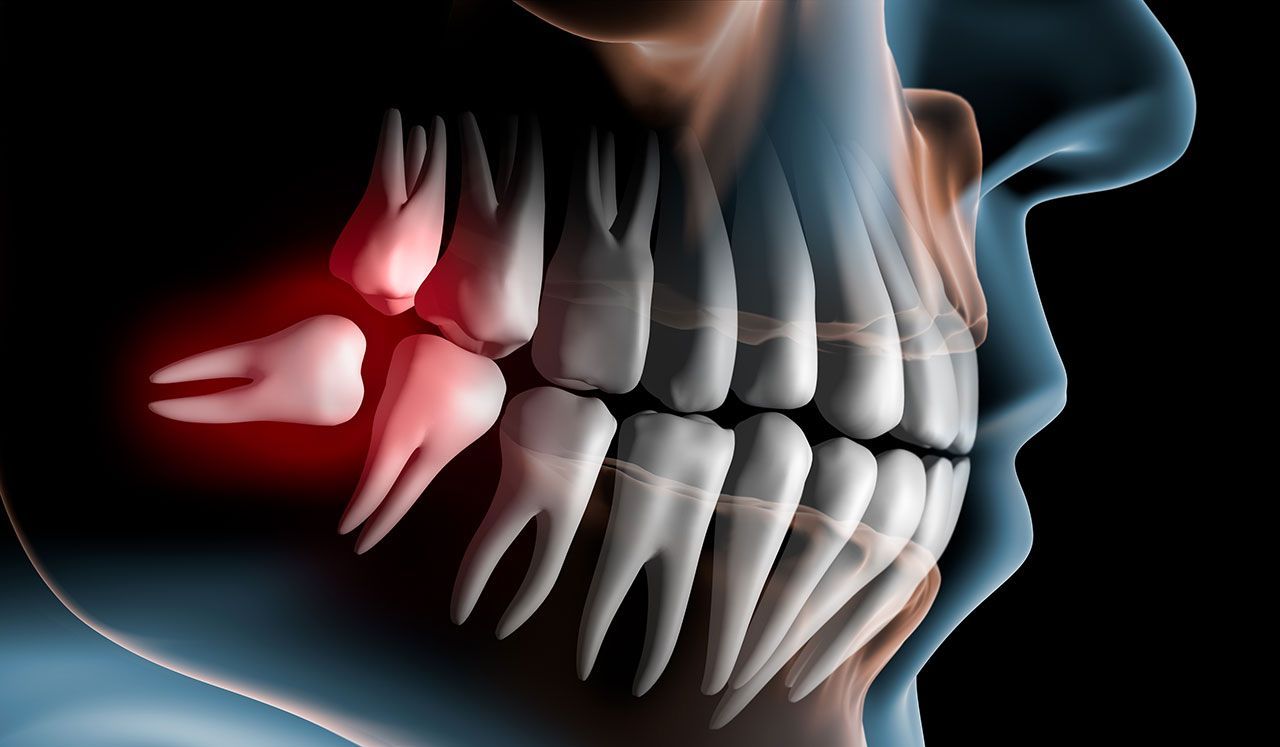
A comprehensive exam and panoramic image (and sometimes 3D imaging) evaluate ridge height/width, nerve and sinus positions, and existing anatomy. This assessment guides implant count and placement, attachment selection, and the feasibility of a palate-free upper.
Daily Life With Each Option
Traditional Denture Routine
- Remove nightly, brush denture and gently clean gums/tongue.
- Soak in water or a denture solution; avoid hot water that can warp acrylic.
- Use adhesive as needed; plan on periodic relines as the ridge changes.
Snap-On Denture Routine
- Similar removal and cleaning routine, but less adhesive required.
- Keep attachment areas clean; bring the prosthesis for insert replacements when retention loosens.
- Maintain regular implant hygiene visits—cleaning around the implants is just as important as cleaning natural teeth.
Talking, Laughing, Eating: The Confidence Factor
The biggest difference patients report with snap-ons is predictable retention in social settings. Speaking and laughing feel natural because the prosthesis resists lift. Eating is less about “managing the denture” and more about enjoying food again. For many, this quality-of-life upgrade justifies the investment.
Cost & Phasing Strategies
- Traditional denture is the lowest initial cost but may require more frequent adjustments over time.
- Snap-on denture costs more upfront, but many patients view it as the “sweet spot” between affordability and performance.
- Phasing: Start with a conventional denture to restore smile and function quickly, then add implants to convert to a snap-on when ready—minimizing big one-time costs.
FAQs
Do snap-on dentures still come out at night?
Yes. They’re removable for hygiene and to let the tissues rest.
Will I need four implants per arch?
Not always. Some lower cases do well with two; upper cases often benefit from more for a palate-free design. Your plan will be tailored to your anatomy and goals.
Can I upgrade to a fixed bridge later?
Sometimes. It depends on implant positions, number of implants, and bone distribution—planning ahead helps keep that door open.
Choosing Your Path In Detroit
WOW Dental offers both traditional and implant-assisted dentures, along with extractions, grafting, and long-term maintenance in one place. You’ll see side-by-side plans with timelines, fees, and realistic expectations so you can decide without pressure.
Ready to compare? Schedule a consult to review your imaging and try in sample tooth shapes and shades.
East Detroit: 18525 Moross Rd, Detroit, MI 48224 —
(313) 371-9880
West Detroit: 22341 Eight Mile Rd, Suite 200, Detroit, MI 48219 —
(313) 730-4111
Share This Article