Root Canal Therapy In Detroit: Save Your Tooth, Stop The Pain, Keep Your Smile
Root Canals Have A Branding Problem
Most people dread the words “root canal” because they associate them with pain. In reality, modern root canal therapy (RCT) is the procedure that relieves severe tooth pain by removing the inflamed or infected nerve tissue inside a tooth and sealing the space to prevent reinfection. With proper anesthesia and technique, patients are typically comfortable during treatment and relieved afterward.
At WOW Dental, RCT is part of a full-spectrum approach—diagnostics, same-day relief, and definitive restoration with a high-strength crown, all coordinated by one team.
When A Root Canal Is The Right Choice
- Deep Decay Or Large Filling: Bacteria reach the pulp, causing irreversible inflammation (pulpitis) or infection.
- Cracked Tooth Syndrome: A crack extends toward the nerve, triggering pain on release after biting, temperature sensitivity, or spontaneous aches.
- Trauma: A blow to the mouth can damage the nerve even without obvious fracture.
- Recurrent Infection Under An Old Crown: Hidden leakage or decay undermines previous work.
Common symptoms include lingering cold sensitivity, pain that wakes you at night, throbbing with position changes, swelling, or a pimple on the gum (fistula).
Step-By-Step: What Happens During RCT
- Numbing & Isolation
Profound local anesthesia ensures comfort. A rubber dam isolates the tooth to keep the field clean and protects your airway. - Access & Disinfection
A small opening is made to reach the canals. Using modern instruments and irrigants, your dentist cleans and shapes the canals to remove bacteria and debris. - Sealing The Canals
The disinfected canals are filled with a biocompatible material and sealed to block future bacterial entry. - Build-Up & Crown
Because root canal teeth are more brittle, a full-coverage crown protects against fracture and restores chewing strength.
Same-Day Relief, Phased Care When Needed
Many cases can be completed in one visit; others benefit from a medication placed inside the tooth between appointments, especially if infection was significant. If swelling is present, drainage and antibiotics may be recommended as adjuncts—but definitive canal treatment is the key to resolution.
Alternatives To RCT: Pros & Cons
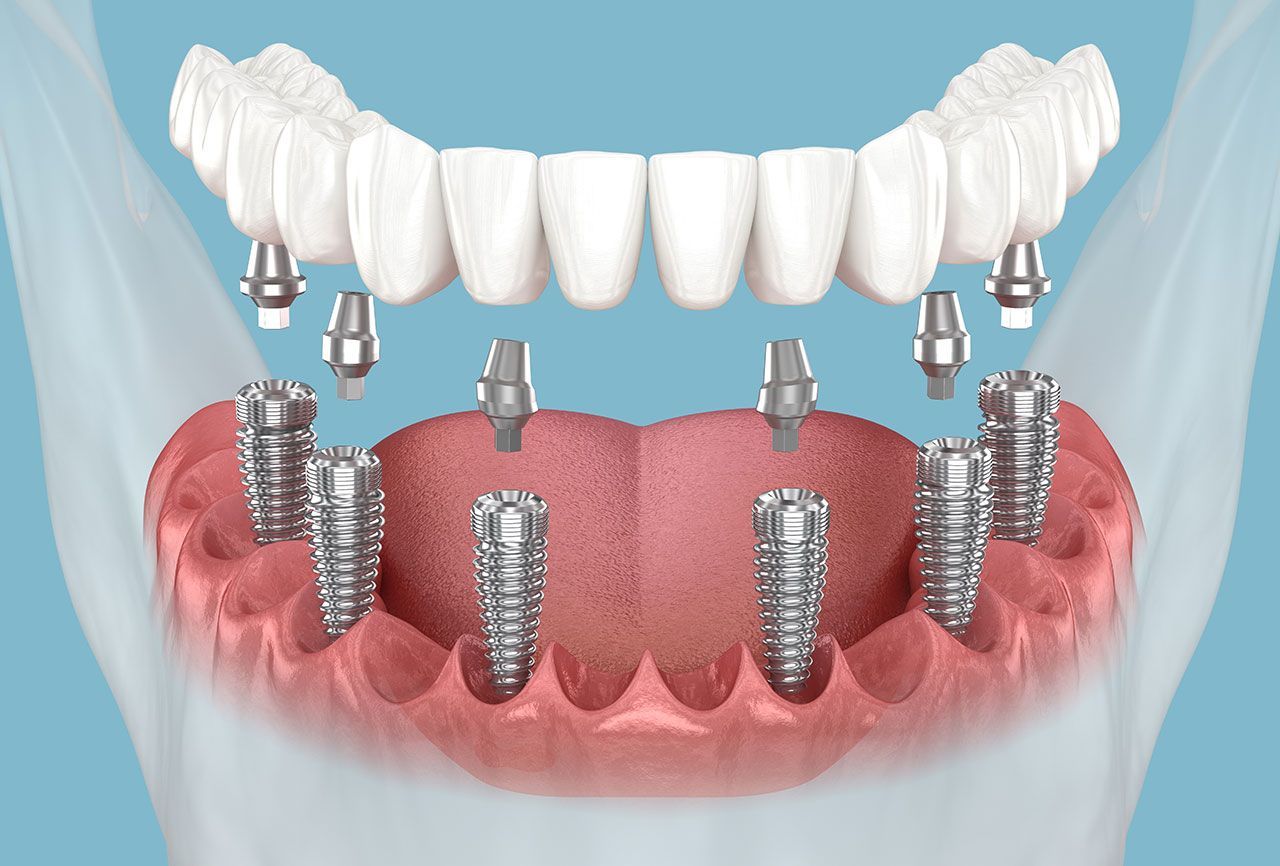
- Extraction removes the infection source quickly but creates a new problem—a missing tooth. Replacement options include implants (most natural function), bridges (involves neighboring teeth), or partial dentures (removable).
- Palliative Care (antibiotics/pain meds only) provides temporary relief but doesn’t solve the underlying issue; symptoms typically return.
Preserving your natural root maintains bone and bite stability—often the most conservative, long-term value choice when the tooth is restorable.
Post-Treatment Expectations & Care
- Tenderness: Mild biting soreness for a few days is common; avoid hard chewing until the final crown is placed.
- Sensitivity: Hot/cold sensitivity typically resolves because the nerve is removed.
- Follow-Up: We’ll confirm symptoms have resolved and schedule the final crown promptly to prevent fracture.
Why Crowns Matter After RCT
Back teeth absorb heavy forces. A full-coverage crown binds cusps together, significantly reducing the chance of a post-treatment crack. Your dentist will choose materials (ceramic, zirconia, or porcelain-fused) based on location, bite, and esthetic needs.
FAQs
Does a root canal “kill” the tooth?
The tooth is non-vital (no nerve) afterward, but it remains functional and integrated with your bone—preserving your bite.
What if I’m still sore after a week?
Inflammation can linger; bite adjustment or medication may help. Persistent pain is uncommon—call the office for an evaluation.
Can a root canal fail?
While success rates are high, complex anatomy or new decay can cause reinfection. Retreatment or apical surgery are options if needed.
Get Out Of Pain And Keep Your Tooth
If you’re dealing with unrelenting tooth pain, swelling, or a recurring pimple on your gum, don’t wait. Early care is simpler and more predictable.
East Detroit: 18525 Moross Rd, Detroit, MI 48224 —
(313) 371-9880
West Detroit: 22341 Eight Mile Rd, Suite 200, Detroit, MI 48219 —
(313) 730-4111
Share This Article