Wisdom Teeth & Extractions In Detroit: When To Watch, When To Remove, And How To Recover Faster
The Truth About “Problem” Third Molars
Wisdom teeth are the late bloomers of your smile, usually appearing in the late teens or early twenties. For some people, they erupt straight and functional; for many, they’re impacted, angled, or partially erupted—creating a trap for bacteria and future infections. If your jaw doesn’t have room or a tooth is growing sideways, removal is often the safest long-term call.
WOW Dental in Detroit performs extractions (including wisdom teeth) with diagnostic imaging, clear aftercare, and options for full-smile planning if those molars influence crowding or future orthodontic goals.
Signs Your Wisdom Teeth Need A Closer Look
- Jaw or gum pain behind your last molars that comes and goes.
- Red, swollen, or bleeding tissue around a partially erupted tooth (pericoronitis).
- Bad breath or bad taste you can’t brush away.
- Crowding or shifting of front teeth in teens/young adults.
- Cysts or bone changes visible on panoramic X-rays.
A panoramic X-ray helps determine the tooth’s angle, proximity to the nerve in the lower jaw, and the sinus in the upper jaw—all critical for safe planning. WOW Dental uses a panoramic view to evaluate wisdom tooth position before recommending oral surgery.
Extraction Options: Simple Vs. Surgical
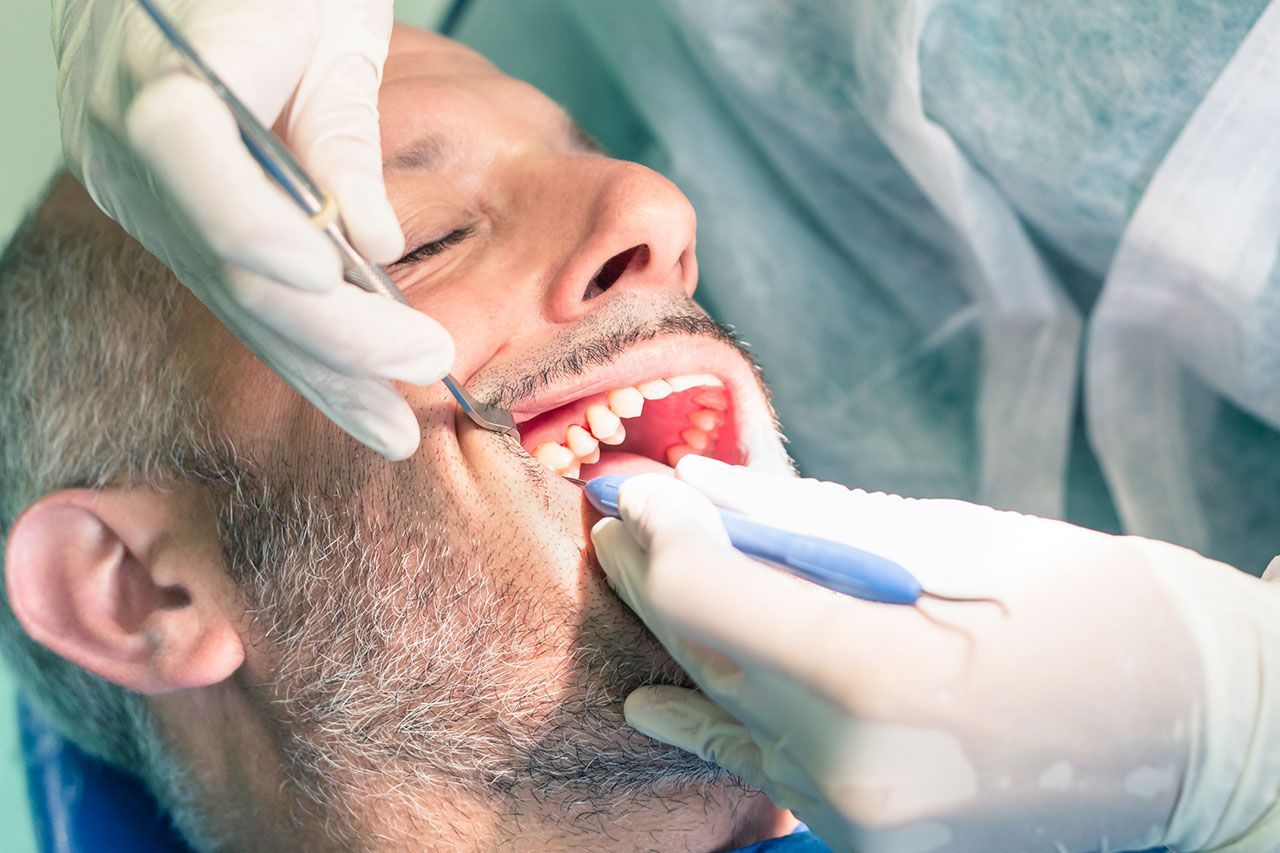
- Simple Extraction: The tooth is visible and loose enough to remove with gentle elevation.
- Surgical Extraction: Needed when a tooth is impacted, broken, or encased in bone. This may involve sectioning the tooth and removing small amounts of bone for access.
Your dentist will review imaging, medical history, and sedation/local anesthesia options to keep you comfortable.
What To Expect On Procedure Day
- Anesthesia: Local anesthesia numbs the area; sedation options may be available depending on the case.
- Atraumatic Technique: Careful elevation and sectioning minimize bone trauma.
- Irrigation & Debridement: The site is flushed clean; infected or inflamed tissue is removed.
- Closure: Sutures may be placed to assist healing.
- Post-Op Instructions: You’ll leave with written guidance and supplies (gauze, ice pack recommendations) and a follow-up schedule.
Recovery Roadmap: Day-By-Day
Day 0–1 (Hemostasis & Swelling Control)
- Bite on clean gauze for 30–45 minutes; change as directed.
- Keep your head elevated; use cold compresses intermittently to reduce swelling.
- Stick to cool, soft foods (yogurt, smoothies with a spoon, mashed potatoes).
- Absolutely no smoking or straws—negative pressure can dislodge the clot and cause dry socket.
Day 2–3 (Tender But Improving)
- Transition from cold to warm compresses if recommended.
- Introduce saltwater rinses after meals (starting 24 hours post-op).
- Add more soft foods: eggs, oatmeal, soft pasta.
- Continue prescribed or recommended pain relief as directed.
Day 4–7 (Tissue Mending)
- Gradually increase activity; avoid heavy lifting until cleared.
- Keep the site clean: gentle brushing around stitches and continued rinsing.
- Watch for warning signs: severe pain, fever, foul taste—call the office promptly.
Minimizing Risk Of Dry Socket
Dry socket occurs when the protective blood clot dissolves or is dislodged, exposing bone and nerves. To prevent it:
- Avoid suction (no straws) and smoking for at least 72 hours.
- Keep your mouth clean with gentle rinses.
- Follow your aftercare schedule exactly; don’t “test” the area with your tongue or fingers.
What If You Keep Your Wisdom Teeth?
If they’re fully erupted, easy to clean, and not disrupting your bite, your dentist may recommend monitoring. But partial eruptions create a flap (operculum) where bacteria thrive—raising the risk of recurring infection that’s harder to manage than removal on your terms. Proactive, planned extraction typically leads to faster, smoother recovery than emergency removal during an infection.
Extractions Beyond Wisdom Teeth
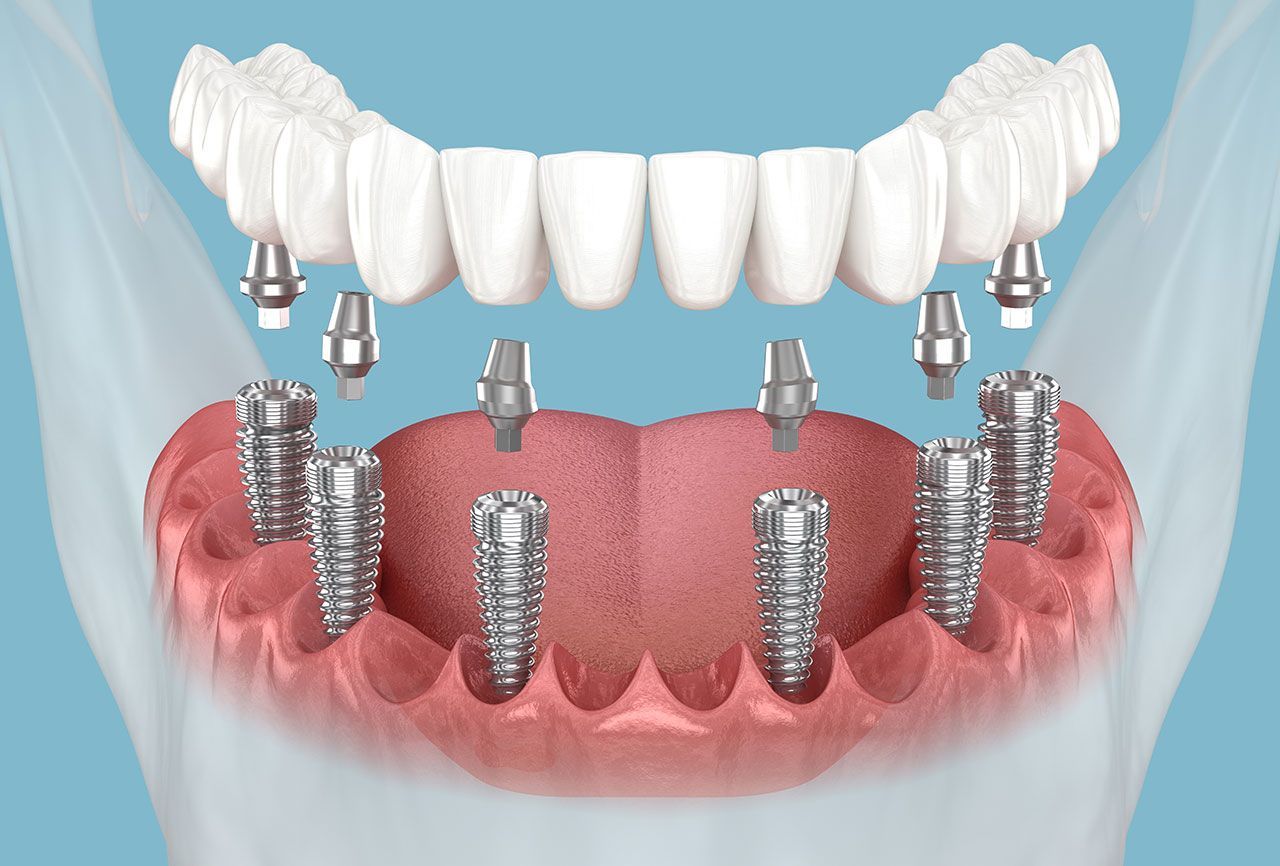
Sometimes a severely cracked tooth, deep decay under a crown, or advanced periodontal disease leaves extraction as the most predictable choice. The silver lining: you can plan immediate replacement options. WOW Dental provides comprehensive restorative and replacement solutions—single implants, implant bridges, partials, and full dentures (including snap-on)—so you’re never left guessing what’s next.
Planning For What Comes After: Socket Preservation & Timing
- Socket Preservation (Bone Graft): Placing graft material at the time of extraction helps preserve ridge width and height for a future implant.
- Healing Timelines: Soft tissue heals in weeks; bone matures over months. Your dentist will outline when implants or other prosthetics can be placed.
- Orthodontic Considerations: If crowding contributed to your decision, a post-extraction orthodontic evaluation ensures your bite finishes in the right place. WOW Dental offers in-house orthodontic care and payment options to simplify the process.
Comfort Options & Anxiety Management
Even if you’re nervous, modern extraction techniques plus local anesthesia and optional sedation make procedures smoother than most expect. Communicate your concerns—your care team can pace the appointment, add profound numbing, and provide precise aftercare instructions tailored to your health history.
FAQs
How painful is wisdom tooth removal?
You’ll be numb during the procedure. Expect soreness and swelling for a few days, which typically respond well to recommended pain control and icing.
Will I need all four removed?
Not always. Decisions are tooth-by-tooth based on position, symptoms, and risk of future problems.
When can I go back to work or school?
Many patients resume light activity in 1–3 days; strenuous activity should wait until you’re cleared.
Can I get a replacement the same day as a non-wisdom extraction?
Sometimes, yes—especially with front teeth and healthy bone—but many cases benefit from staged healing. Your dentist will advise.
When You’re Ready, We’re Here
Whether you’re dealing with tender gums behind your molars or a tooth that’s beyond saving, you don’t have to figure it out alone. Schedule a visit at either Detroit location for an exam and imaging, and leave with a clear plan that fits your timeline and comfort level.
East Detroit: 18525 Moross Rd, Detroit, MI 48224 —
(313) 371-9880
West Detroit: 22341 Eight Mile Rd, Suite 200, Detroit, MI 48219 —
(313) 730-4111
Share This Article